
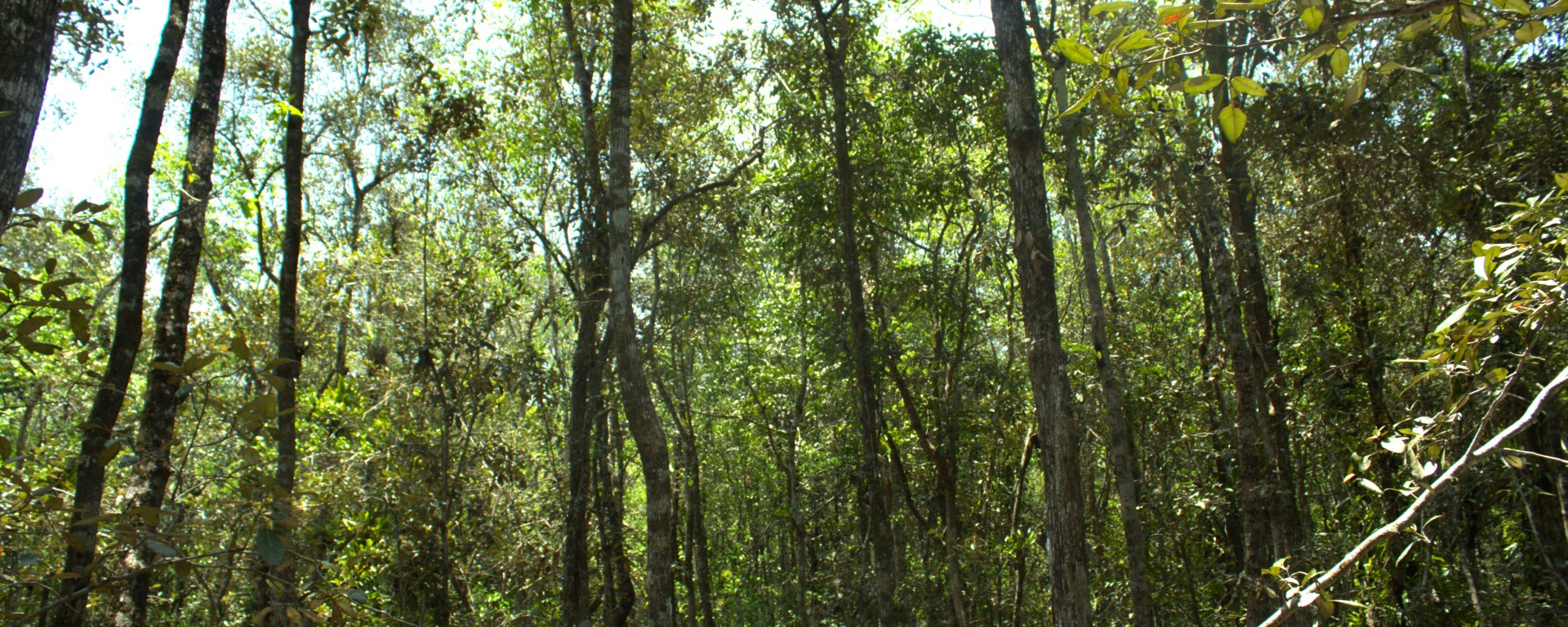
In the Sundarbans, the largest Mangrove forest in the world, a tree called a sundari grows. Sundaris, one of the oldest types of tree in the southern regions of Bangladesh and India, is where the Sundarbans’ name is derived. In Bengali, it translates to beautiful.
It’s the perfect word to describe this place. We have spent the last few days exploring this beautiful delta through its exploding maze of rivers, canals and forests. On May 24, we floated on the Chite Kota River, heading toward the Bay of Bengal, and the next day we turned around, heading back upstream and preparing to depart Bangladesh.
Our trip is coming to a close, and as I’ve spent hours sitting on the top deck of our traversing house boat, I’ve realized this trip has changed my life. Like I wrote in my first Travelogue, before we started our journey, I had rarely strayed past the borders of the Midwest. But here, I feel vivaciously alive. The mosquito bites and sweltering temperatures producing the beads of sweat dripping down my skin have just become proof of my existence.

From the deck, I could see a sea of stars, visible now that we’d escaped the pollution of the city. No matter where I am in the world, I thought, I’ll be looking at the same moon. Even though the Big Dipper constellation faces the opposite way in Montana, it is still my favorite set of stars, glistening reliably in the sky.
In a couple of weeks, I’ll be back in the United States, all that I have seen and felt here a collection of memories and photographs. But there are some things I’ve learned here that will stick with me for longer.
Gratitude here seems to be an everyday practice. The people we’ve visited, including one fishing community we met this morning, have greeted us with incredible kindness. Children tug one another’s ears, women laugh while men play games and smoke.
I’ve come to realize that an abundance of everything is not as essential as I thought it might be, and all the comforts of home mean less when contrasted with the basic necessities.
I’ve also learned that speaking the same language is not required for connection. During an otter fishing excursion, I was taught children’s games by four Bangladeshi girls while only knowing four phrases in Bengali: dhonnobad, thank you, apa, sister, apnar nam ki, what is your name and now sundari, beautiful.
But it doesn’t really matter if we can understand each other’s words or not. Here, our communication translates through holding hands, touching our hearts and smiling. And everyone seems to understand what we mean, because after all, we’re all people under the same moon.
 UM to Bangladesh
Lovely article Claire! The human IS universal
LikeLike
The Sundarbans Mangrove Forest in India is a vital ecological asset with immense biodiversity and ecological significance. Its unique geographical location, rich flora and fauna, and crucial ecological services make it indispensable for maintaining the environmental balance of the region. However, concerted efforts are required to mitigate the conservation challenges and ensure the sustainable management of this unique and invaluable natural resource.
https://www.indianetzone.com/40/sundarbans_mangroves_india.htm
LikeLike