Cyclone Remal downgraded, moves inland

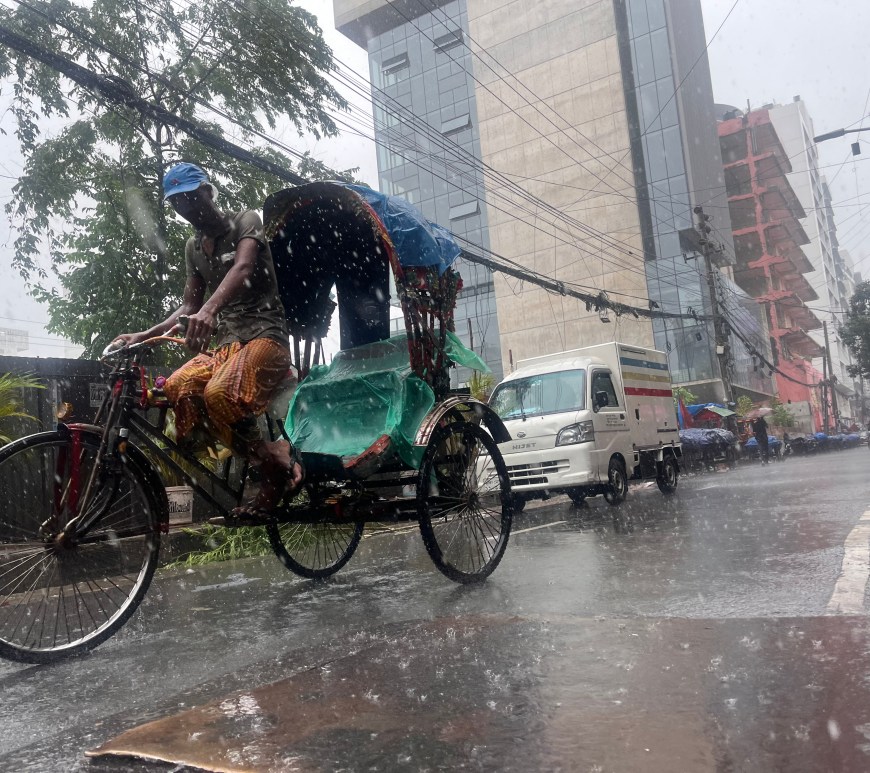
Over 800,000 Bangladeshi residents were forced to leave their homes and take refuge in  around 9,000 storm shelters around the country due to Tropical Cyclone Remal on May 26. The first named storm of the 2024 cyclone season began forming over the west Bay of Bengal on May 21. On the night of May 26 the cyclone began to make landfall over the coastal regions … Continue reading Cyclone Remal downgraded, moves inland

Repurposing plastics

Single use plastic is everywhere in Bangladesh. Just like elsewhere in the world, people here are ordering food online and leaving the stores with goods wrapped in plastic wrap. More people here are drinking from plastic bottles – water and soda – because the tap water is not safe even for the residents to drink without boiling. The plastic waste is everywhere. It has accumulated … Continue reading Repurposing plastics

Foreign aid and NGOs in Bangladesh

The nepa palm home of Shobita, Bina, and Mohon Mondol home sits on a narrow strip of compressed silt near the confluence of a canal and the Pashur river in the delta of Bangladesh. They dip drinking water from a 2,000-liter rainwater collection tank the received last year from with help of the local welfare center. The tank saves the Mondols from having to make … Continue reading Foreign aid and NGOs in Bangladesh

Shifting chars: The human face of climate migration

Momena Beguma, 85, stood in the doorway of her house on stilts in the Passer River. The Bangladeshi woman has moved 10 times because of flooding and river erosion.  “I never know when we will have to move again,” she said. The Dhangmari Village in Bangladesh, where Beguma lives, is made up of a collection of houses on stilts. The water comes up to the … Continue reading Shifting chars: The human face of climate migration

Safe sanitation remains an issue for many in Bangladesh

Among the narrow alleyways and wall-to-wall houses of Notun Bazar, two buildings stand out. The blue walls beam through the grayscale of southwest Bangladesh’s largest slum, and the concrete floor is invitingly smooth and unblemished. Signs proclaim both buildings newly renovated and detail the cost – about 800 U.S. dollars. Despite their flamboyant exteriors, the inside of each building is sparse, with only a single … Continue reading Safe sanitation remains an issue for many in Bangladesh

Something fishy: A peek into the climate effects on Dhaka’s biggest fish market

Blue and green lights illuminated the early morning fog as vendors balanced wicker baskets brimming with fish and fruit atop their heads. They laid  out arrays of cucumbers and squash under the tinted bulbs and waited for the buyers to swarm. In the distance, chickens sang and fish flew as they were thrown into tubs anticipating their slaughter. While the rest of the city slept, … Continue reading Something fishy: A peek into the climate effects on Dhaka’s biggest fish market

Afternoon at the botanical garden

Walking into the National Botanical Garden of Bangladesh is like walking into a time warp. The ever-present sounds of the city fall away, replaced with a quaint instrumental music that plays from speakers at the entrance.  As the recorded music faded, live music take its place. A trio of students in their 20s sing and play guitar in a little concrete amphitheater next to one … Continue reading Afternoon at the botanical garden

Working between water and steel

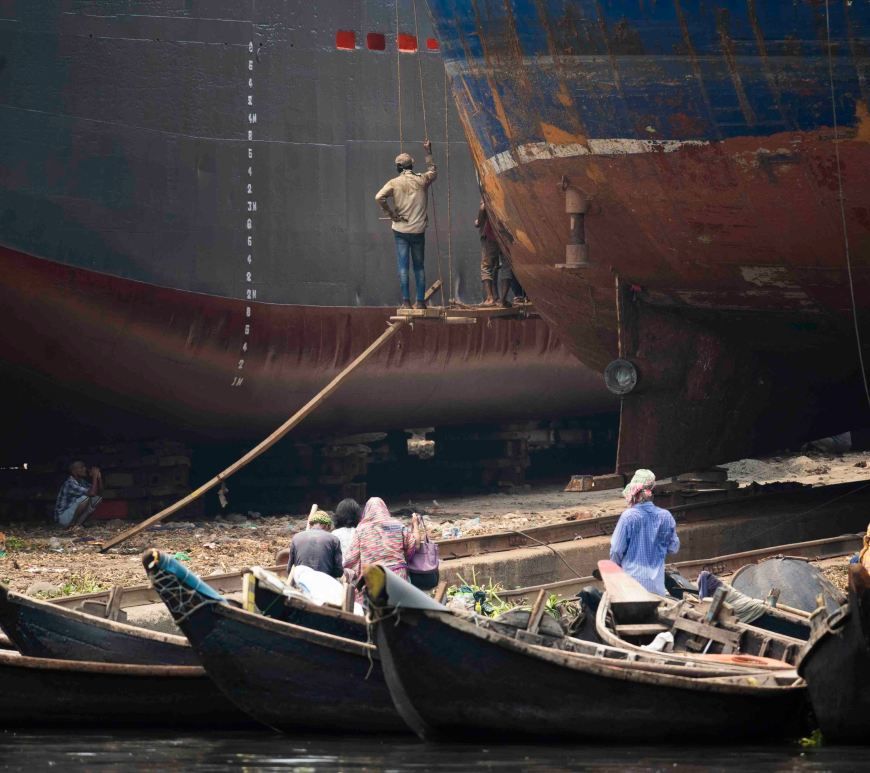
The Buriganga River flows through southwestern Dhaka, the capital of Bangladesh, with traffic not too much different than the rest of the city. Small wooden porter boats dodge hulking barges and foghorns blare as children swim off concrete banks. The waters are dark and murky, and the city’s trash washes up on its beaches. The Keraniganj area of the river is dotted by shipyards, squeezed … Continue reading Working between water and steel

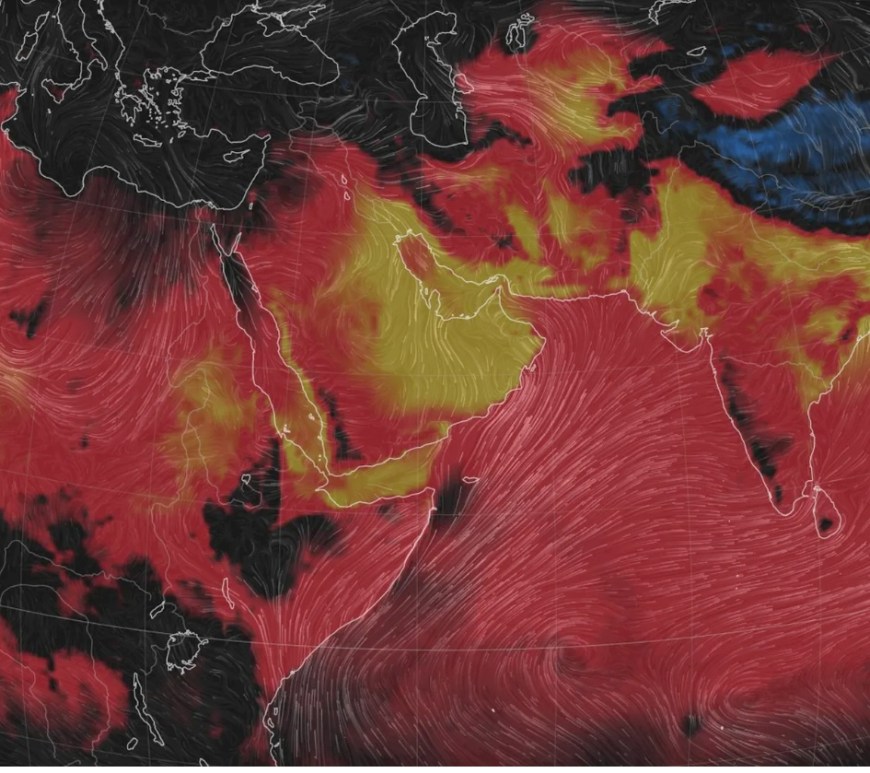
A map showing the extent of the 2024 heat wave in

See it like it is

For decades, Saleemul Huq, a Bangladeshi intellect and climate activist, urged representatives of poorer countries from the global south to “tell it like it is.” Farmers, politicians, activists needed to make global leaders aware of the nitty gritty of the impacts emissions from richer nations have on the poorest of the poor, he said. At the highest levels of climate diplomacy, he argued that richer … Continue reading See it like it is