
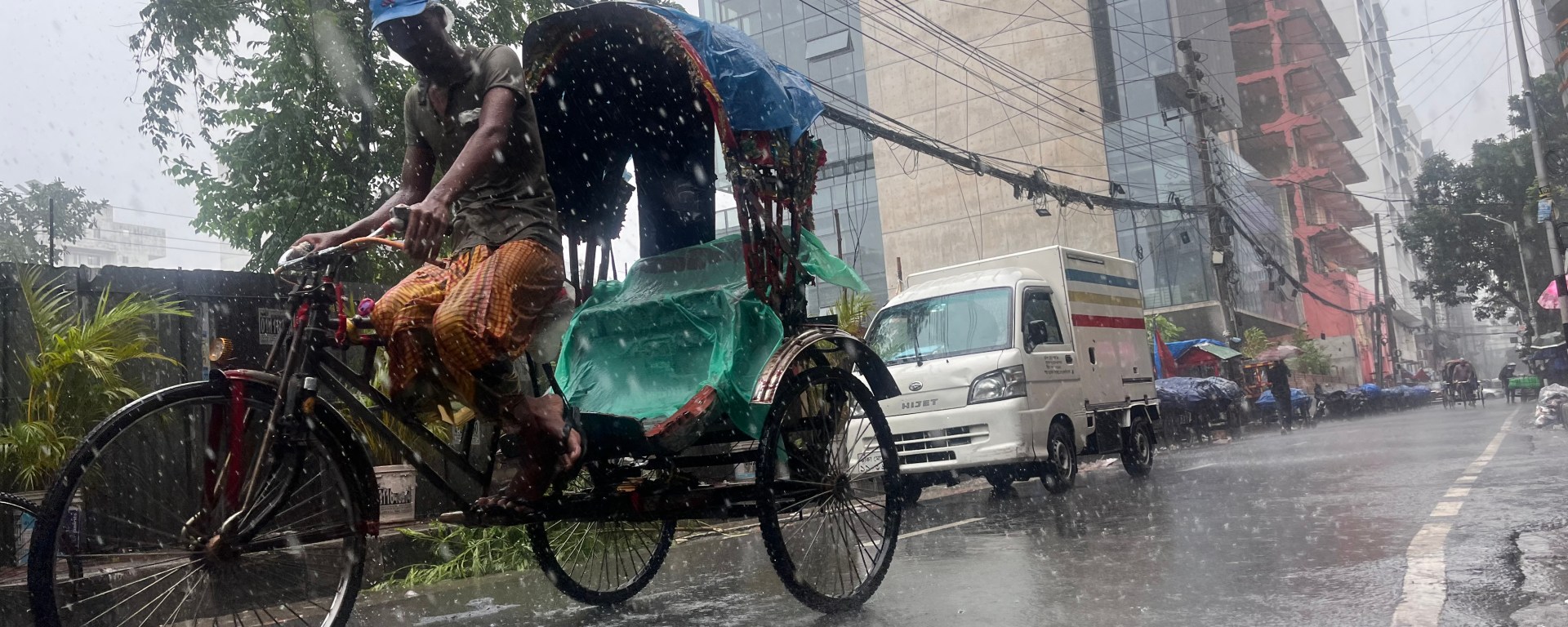
Over 800,000 Bangladeshi residents were forced to leave their homes and take refuge in around 9,000 storm shelters around the country due to Tropical Cyclone Remal on May 26.
The first named storm of the 2024 cyclone season began forming over the west Bay of Bengal on May 21. On the night of May 26 the cyclone began to make landfall over the coastal regions of Bangladesh impacting hundreds of thousands of residents.
Residents of Khulna have been hit hard by the cyclone. According to a press release by Deputy Commissioner Nazmul Hussein Khan, the cyclone has already destroyed 10,500 houses and partially damaged another 16,905.
According to the Bangladesh Meteorological department, as of May 27, Tropical Cyclone Remal has been downgraded to a tropical storm as it progresses further inland toward the capital city of Dhaka. Winds of up to 40mph and an accumulation of four inches of rain is still to be expected in Dhaka by the late evening.
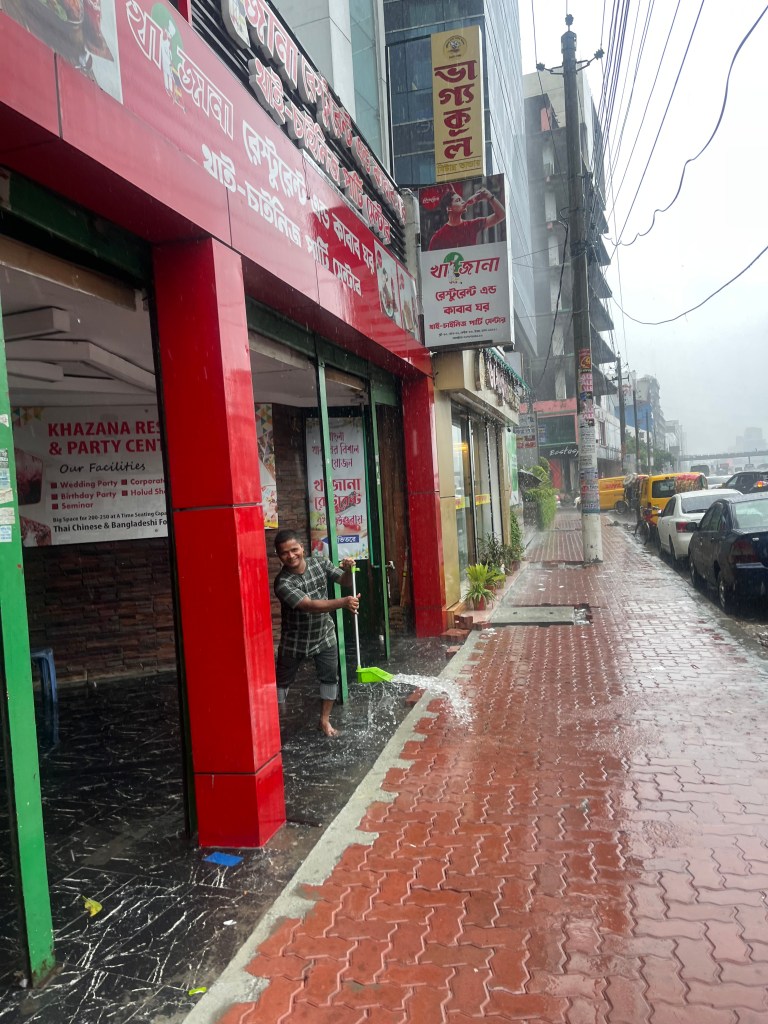
A cyclone, similar to a hurricane, is a storm system consisting of winds that rotate around a center of low atmospheric pressure. Cyclones are natural meteorological events that often bring high winds, large quantities of rain, coastal erosion and flooding.

Bangladesh has a long history of cyclones. The country falls in a vulnerable geographical position as it is situated at the northernmost part of the Bay of Bengal, has low lying coastlines and a high population density along those coastlines.
During monsoon seasons, Bangladesh has seen an increase in the number of cyclones per season.
In 1970 and 1991 two of the deadliest tropical cyclones occurred in Bangladesh, killing roughly 300,000 and 140,000 people, according to the Dhaka Tribune.. Around 40% of total cyclonic storm surges seen around the world are recorded in Bangladesh, where the northern Bay of Bengal intensifies winds as they make landfall.
 UM to Bangladesh