
The morning started as usual in Dhaka. I sipped from a small glass of milk tea from a local stand while a gaggle of stray dogs ran in front of me. As I wove my way through Dhaka University’s campus for the first time, I marveled at its beauty and uniqueness.
The courtyard where I had drank my tea and where Rafia, one of our local guides, had eaten her breakfast, was full of students chatting and laughing. The space was a large circle, mostly solid earth ground and weaving paved walkways. On one side was the food stand, next to a set of concrete bleacher-like steps that led up to a small elevated patio. Rafia and I sat there, watching two little boys race each other up and down the steps.
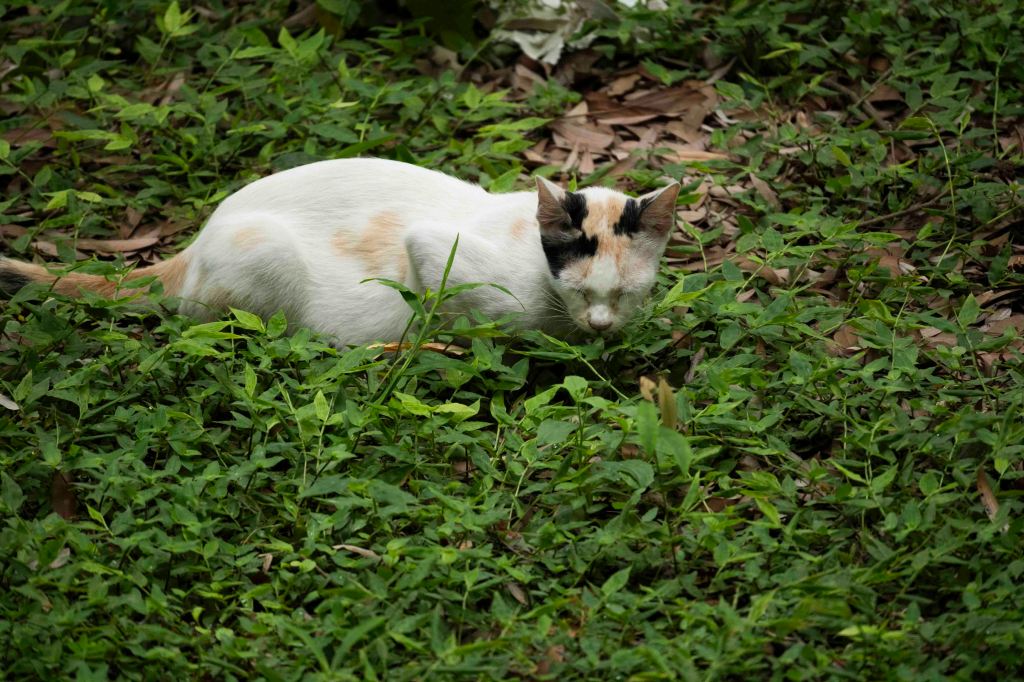
Below us in the courtyard, students milled among the trees, sharing textbooks or buying cigarettes. Some waved up at us, and Rafia waved back. A stray dog lay its head at Rafia’s feet. This, I thought, must be a bit of what it feels like to be a student at Dhaka University.
During our last few days in Dhaka, before moving on to Khulna and the Sundarbans, I visited the university twice to interview different professors. During each visit, we roamed the maze of buildings.I was keenly aware of the differences between this campus and Missoula’s beloved University of Montana. Yet for every difference, I could easily draw parallels between the two.
Where we buy textbooks at the Go Griz store, students here line up at print shops for photocopies and scans. It’s called the Campus Shadow, and Rafia told me it’s named quite literally, as that part of campus is often shady. It reminds me of how I presume the Oval, our main space in the center of UM’s campus, got its title.
While deer may rule UM’s sidewalks, stray dogs are kings here. Like UM, the arts building is covered with student-made art, from photography galleries to sculptures. After my first interview, Rafia took me to the fine arts building, where she pointed out a tree where many students gathered reading. I could picture this exact scene in Missoula.
Instead of the tea stand, I might go to the Market, Rise & Rooted, Liquid Planet or any of the other coffee shops in UM’s vicinity to order a dirty chai. Here, my options for drinks are more limited, if there is even a choice, between milk tea and black tea.
The students roaming here may wear different clothing styles and speak different languages, but they clutch their backpacks the same and talk with their peers with the same excitement as the students back home. It doesn’t matter what part of the world you are in, university students will be university students.
Dhaka is so different from Missoula — so loud and vibrant and busy — it would be so easy to focus on the differences and divisions. While these differences are real and important to recognize, I was struck with a sense of familiarity and sameness that Dhaka University’s campus brought me.
My second day on campus, our teaching assistant Najifa Farhat accompanied Clayton Murphy and me. As we walked the halls, she exclaimed how strange it felt to be back at her alma mater, this time with American students in tow.
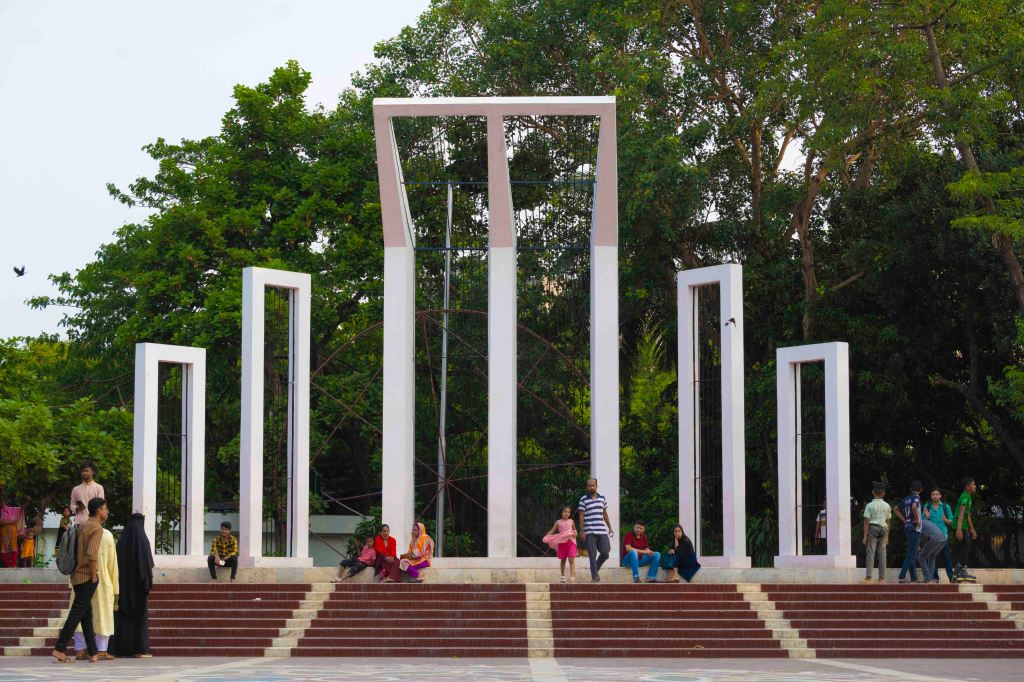
She led us to the Shaheed Minar on the way home. It’s a monument commemorating students and activists killed in 1952 during the Bengali Language Movement demonstrations.
Just as universities in the United States can be beacons for student protestors, universities around the world also aren’t immune to the violence that follows. If four students were shot at Kent State University during protests against the Vietnam War in 1970, eight died on Feb. 21, 1952, when the students at Dhaka University insisted Bengali should be the national language of what was then East Pakistan.
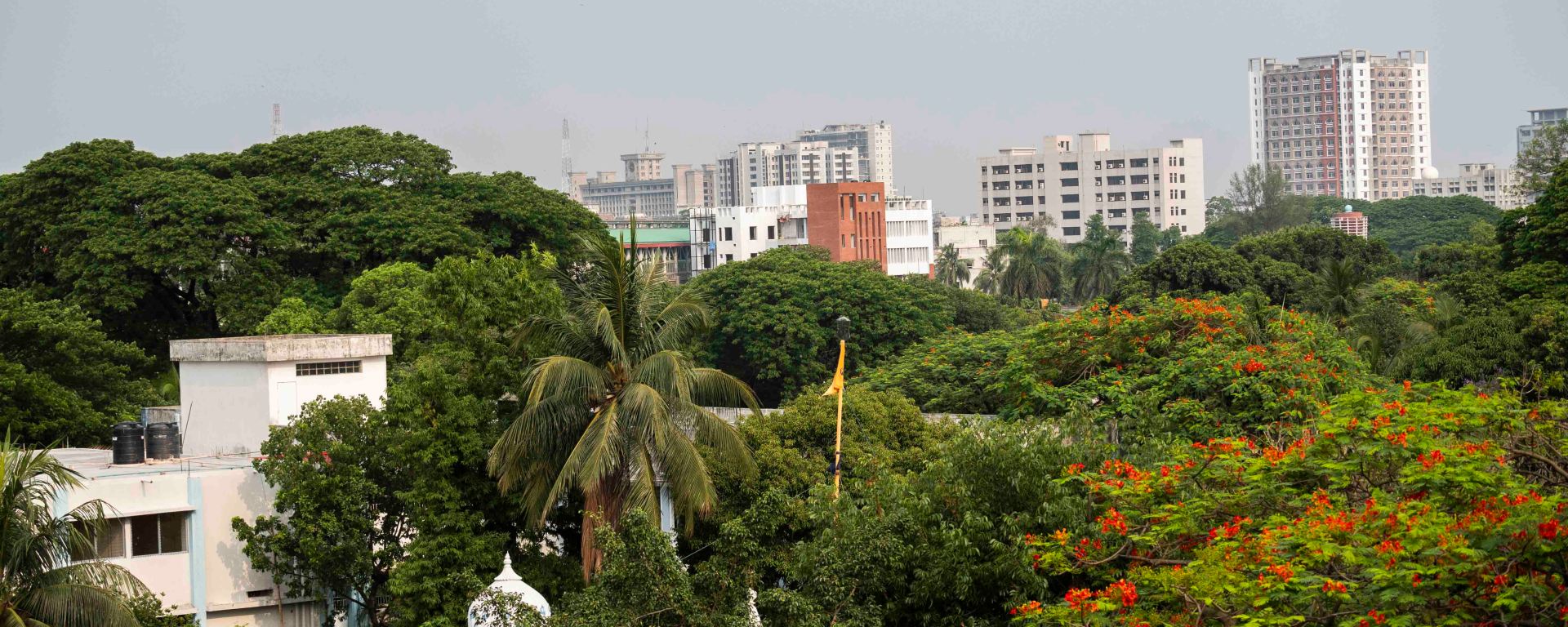
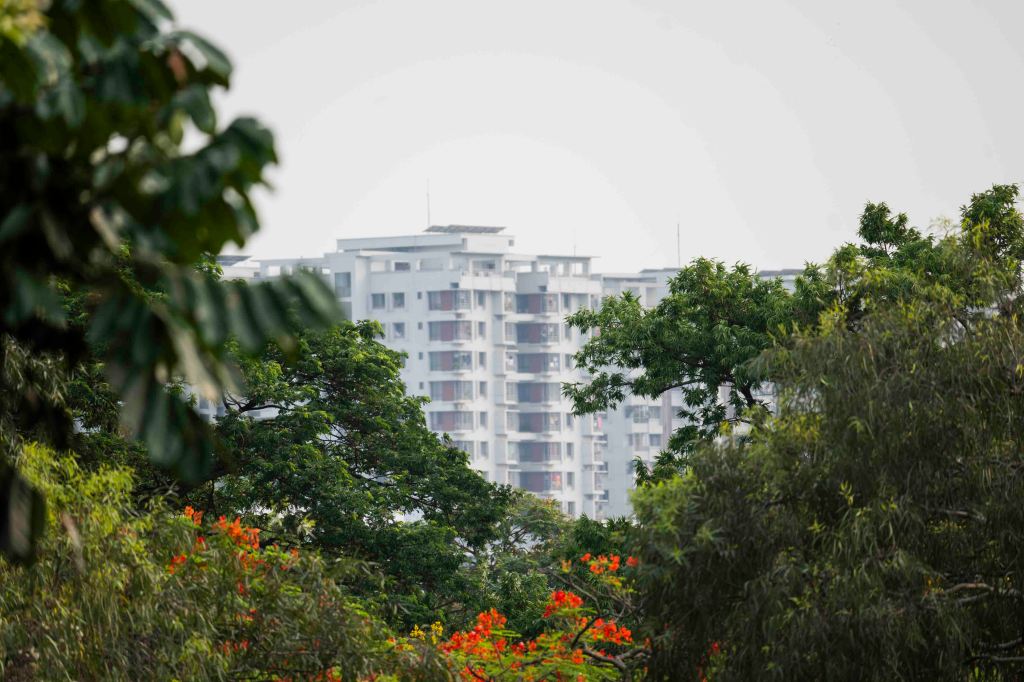
The differences are still stark; University of Dhaka’s campus is massive, and its greenery is a tropical beauty contrasting UM’s mountain campus.
Despite its foreignness and newness, as I walked among the students at Dhaka University, I couldn’t help but feel a strange sense of familiarity. Bangladesh is very new to me, but visiting Dhaka University was the closest I’ve felt to feeling at home since I arrived.
 UM to Bangladesh